
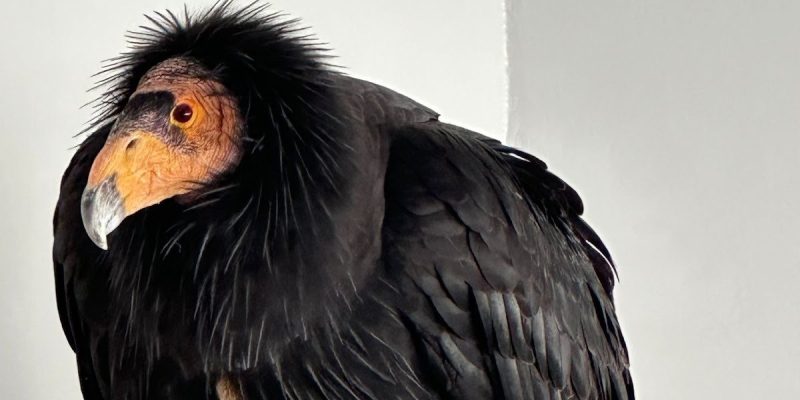
California condor #939 hatched at the Los Angeles Zoo and Botanical Gardens in 2018, was released into the wild in 2019, and in January 2025 came back to the building she hatched in, so ill with lead poisoning that her veterinarians had to invent a way to feed her. She survived it, regained her fitness in a flight pen with other condors, and went back out.
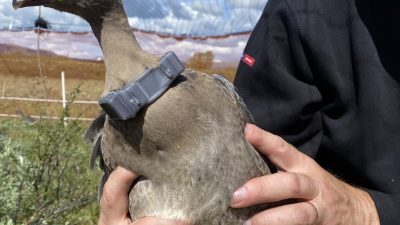
The first sign was an absence of movement. Condor #939 carries a GPS transmitter, and when it stopped reporting a change in position for several days, biologists from the U.S. Fish and Wildlife Service went out to find her. She was very ill, with symptoms consistent with lead poisoning, and they brought her to the L.A. Zoo’s Gottlieb Animal Health and Conservation Center.
Why is lead the thing that keeps doing this?
Condors are scavengers. They eat what is already dead, which in California routinely means an animal that was shot and not recovered, carrying fragments of lead ammunition in it. A rifle bullet does not stay in one piece. The L.A. Zoo calls lead the largest threat to the California condor population, and it is the reason a bird can be healthy, wild and tracked for five years and still be poisoned by a single meal.
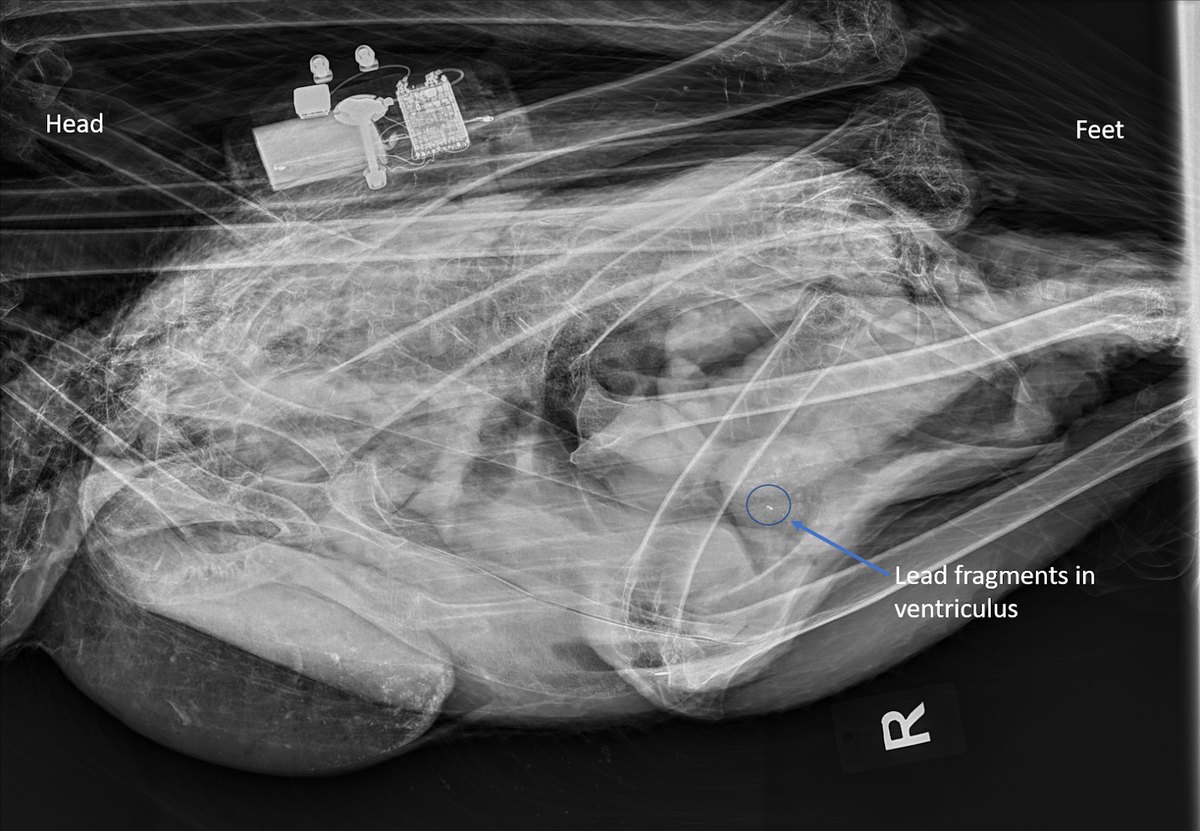
The standard treatment is chelation therapy, which uses a drug that binds to lead in the bloodstream and in tissue such as bone so the body can excrete it. In this case there was still metal sitting inside the bird.
“Condor #939 came to us with one of the highest amounts of lead levels I’ve seen in a condor,” said Dr. Dominique Keller, chief veterinarian and director of animal health and wellness at the L.A. Zoo. “Chelation therapy is successful in removing lead in the blood and what is bound to tissues like bone, but when there are fragments of metal still present in the body, then chelation alone is not sufficient. Condor #939 had a couple of small fragments (less than a pin head in size) in her ventriculus, or stomach. In condor #939’s case, attempts to get the bird to regurgitate the fragments were unsuccessful because the bird was too ill to be eating normally. We then knew we would have to take more aggressive measures in this case.”
What they built for her
Surgery to take lead fragments out of a condor’s ventriculus is something the L.A. Zoo’s veterinary team has done a number of times. The harder problem was the second one: a severely lead-poisoned bird cannot digest. Lead slows or stops the movement of food through the gut, so a condor in that state can starve with food in front of it. Operating on a bird that is already not eating leaves you with a patient who still will not eat afterward.
The zoo consulted Dr. Stephanie Lamb of Liberty Wildlife in Arizona, who has developed a technique for exactly this. During the same procedure the surgeons placed a feeding stoma in the bird’s crop. The crop is an outpouching of the esophagus where a bird holds food before it moves down to the stomach; a stoma is a surgically created opening. Together they give you a port: high-calorie liquid food can be delivered straight into the crop until the bird is well enough to swallow solids again. It was the first time the L.A. Zoo had performed the surgery and placed a stoma in the same operation.
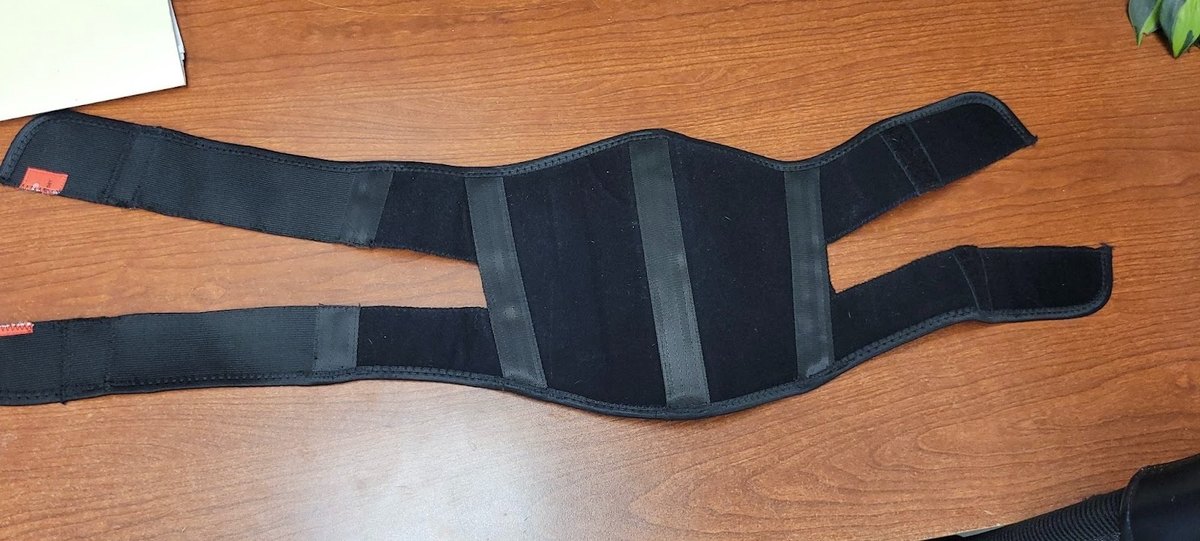
Then there was the question of a condor picking at its own surgical site. The answer was a crop sling, custom-made for #939 from a design Liberty Wildlife shared, and built out of a repurposed human back brace.
She had five chelation treatments in all. From January into February the veterinary team monitored her, and by early February she had improved enough to eat solid food. The stoma was surgically closed. She was moved into a pen with other condors due for release later in 2025, which is where a recovered bird rebuilds flight muscle in a protected space, and from there she returned to the wild.
“It’s a game changer to see a recovery like this, especially when the bird was so critically ill,” said Greg Pontoppidan, senior animal keeper in the California condors section at the L.A. Zoo. “It does break our hearts, though, when a condor we hatched and reared comes back to us in such a dire state. Our teams here at the Zoo, plus our partners at other zoos and wildlife organizations, have worked tirelessly to get these birds out into the wild. We all hope that more people move away from lead-based ammunition to ensure the California condor can thrive.”
How many California condors are there?
The IUCN Red List lists the California condor as Critically Endangered, assessed by BirdLife International on 28 August 2020, and records 93 mature individuals with the population trend increasing. That figure counts breeding-age birds only, so the total number of condors alive, including juveniles and the birds in managed care, is larger. Both halves of that assessment matter: it is the highest category of threat on the list, and the arrow is pointing up.
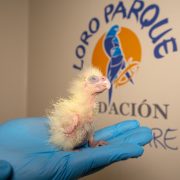
Every bird in it is accounted for individually, which is why this one has a number instead of a name. Condor #939 was hatched at the zoo’s California Condor Recovery Facility, reared first by her parents and then, at eight months old, placed with a larger group that included both juveniles and adult mentor condors, so she would learn from birds rather than from people. The Fish and Wildlife Service released her and her cohort at Bitter Creek National Wildlife Refuge in 2019.
The L.A. Zoo has been doing this since the program’s beginning and the output has been climbing: the zoo hatched 17 condor chicks in 2024, breaking a record of 15 it had set in 1997, with every one of them a candidate for release. The Oregon Zoo reared twelve chicks in a single season at its own condor center, and the same institution that hatched #939 also funds field research abroad.
What the case actually demonstrates is a recovery program with a repair shop attached. A bird hatched in captivity, released to the wild, tracked by satellite, retrieved when the signal went still, operated on using a technique shared by a rehabilitation center two states away, fed through a port, kept from picking at her stitches by a back brace somebody cut down, and then flown back out to the refuge. The hardest part of that chain is the one nobody in it controls, which is what is left in the carcass she eats next. That part is a choice somebody with a rifle makes.
Quick answers
- What happened to California condor 939?
She was found very ill in the wild in January 2025 with lead poisoning, after her GPS transmitter showed no movement for several days. She was treated at the Los Angeles Zoo with chelation therapy and surgery, recovered, and returned to the wild.
- How do California condors get lead poisoning?
They are scavengers, and carcasses left in the field often contain fragments of lead ammunition. The Los Angeles Zoo calls lead the largest threat to the California condor population.
- What is chelation therapy?
A treatment using a drug that binds to lead in the bloodstream and in tissue such as bone so the body can excrete it. It does not remove solid metal fragments, which is why condor 939 also needed surgery.
- What is a crop stoma, and why did the condor need one?
The crop is a pouch off the esophagus where a bird holds food before it reaches the stomach, and a stoma is a surgically created opening. Severe lead poisoning slows or stops the gut, so a poisoned condor can starve with food in front of it. The stoma let the team deliver high calorie liquid food directly until she could swallow solids again.
- What is a crop sling?
A custom wrap that stops a bird from pecking at a surgical site on its crop. The one made for condor 939 followed a design shared by Liberty Wildlife in Arizona and was built from a repurposed human back brace.
- How many California condors are left?
The IUCN Red List lists the species as Critically Endangered and records 93 mature individuals, assessed on 28 August 2020, with the population trend increasing. That figure counts breeding-age birds only, so the total including juveniles and birds in managed care is larger.