A young elephant calf fell into a septic tank in Kenya’s Tsavo region and could not climb out. The team that reached her did not try to lift her. They filled the tank with water and let her float.
The Sheldrick Wildlife Trust described the operation, which it carried out and reported on the evening of Tuesday, October 13, as a last-light rescue. Keepers from the Trust’s nearby Voi Reintegration Unit reached the scene alongside the SWT/KWS Tsavo Mobile Veterinary Unit, the field unit the Trust runs jointly with the Kenya Wildlife Service. A water bowser was brought in and used to fill the tank, raising the calf to a level from which she could be pulled onto solid ground.
The part that does not usually happen
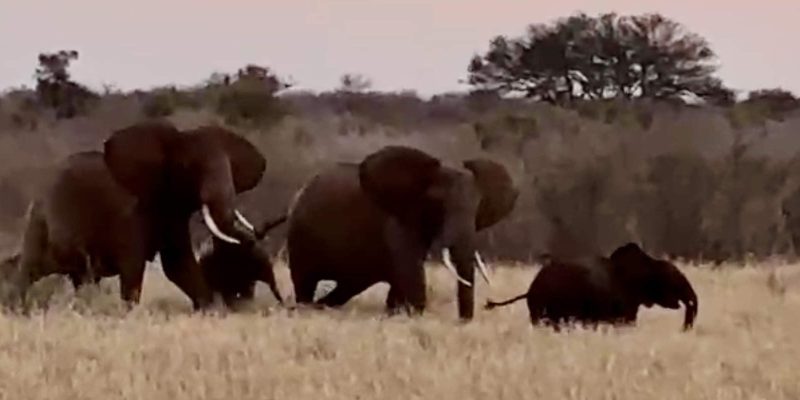
Her herd was still there. The Trust reported that the family had stayed in the area, unsettled but not yet moving on, and that the calf was returned to her mother at the end of the operation.
That ending is rarer than the rescue itself. “It’s not always possible to return a trapped calf to its family,” the Trust wrote. “Often, the herd has given up and left the area by the time it is discovered.” When that happens the calf becomes an orphan, and an orphan goes into the Trust’s Orphans’ Project, which means years of hand-rearing at the Nairobi Nursery and a staged reintegration at a unit like Voi. A reunion on the same evening skips all of it.
The Trust also said it would make sure the tank itself is covered, so the same hazard does not catch a second animal. That is the quieter half of the story. The calf was not injured by a poacher or a snare, which are the threats that get written about. She fell into a piece of unfinished infrastructure, and the fix is a lid.
What we checked
Stories about individual animals go stale quickly, so we looked for anything the Trust has published about this calf since the rescue. As of today it has posted nothing further, and it did not name her. We are not naming her either. The Trust’s own account of the rescue is the only published record of it.
The Voi unit sits on the edge of Tsavo East National Park and is one of the Trust’s reintegration stockades, where orphaned elephants raised in Nairobi are moved as they get older. Its keepers are the reason there was a trained team close enough to reach a calf in a tank before dark. We covered the Trust’s de-snaring work in the same region earlier this month.
Which zoos are behind this
We looked and did not find any, which has been the consistent answer on this organization. The Sheldrick Wildlife Trust publishes no accredited zoo or aquarium among its funders, and no zoological institution appears anywhere in the account of this rescue. The veterinary unit that attended is funded by the Trust and operated with the Kenya Wildlife Service, a government agency.
For scale on what the sector does spend elsewhere, the Association of Zoos and Aquariums reports that in 2025 its 235 accredited and certified facilities put approximately $372.4 million into conservation across 139 countries. No published breakdown isolates how much of that reached Africa, and we are not going to estimate one. On this particular rescue, the honest answer is that American and European zoos had nothing to do with it.
Quick answers
- What happened to the elephant calf?
She fell into a septic tank in Kenya’s Tsavo region and could not free herself. Keepers from the Sheldrick Wildlife Trust’s Voi Reintegration Unit and the SWT/KWS Tsavo Mobile Vet Unit reached her on the evening of October 13, 2026.
- How did they get her out?
They did not lift her. A water bowser was used to fill the tank, which floated the calf high enough that the team could pull her onto solid ground.
- Was she reunited with her family?
Yes. The Trust reported that the herd had stayed in the area rather than moving on, and that the calf was returned to her mother at the end of the operation.
- Why is the reunion unusual?
In the Trust’s words, it is not always possible to return a trapped calf to its family, because the herd has often given up and left the area by the time the calf is found. When that happens the calf becomes an orphan and enters the Orphans’ Project, which means years of hand-rearing and a staged return to the wild.
- What is being done about the tank?
The Trust said it will ensure that this particular tank is covered to prevent a repeat incident.
- Has there been any update since?
No. As of October 14, 2026 the Trust has published nothing further about this calf, and it did not name her.
- Which zoos or aquariums funded this rescue?
None that we can document. The Sheldrick Wildlife Trust publishes no accredited zoo or aquarium among its funders, and no zoological institution appears in the account of this rescue. The veterinary unit that attended is funded by the Trust and run jointly with the Kenya Wildlife Service, a government agency.