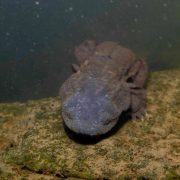

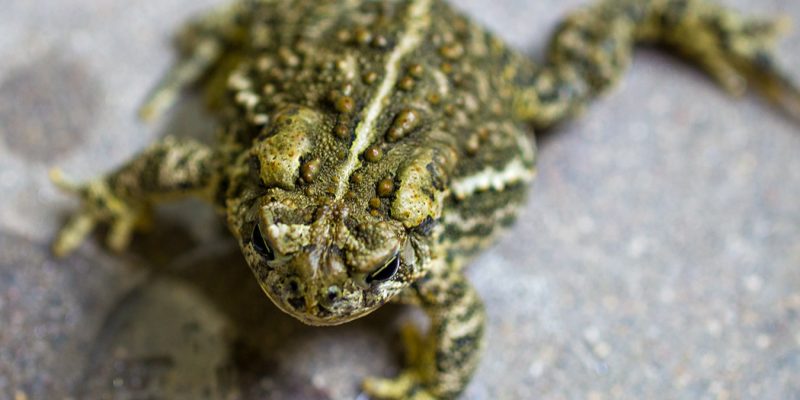
Nearly 3,000 Wyoming toad tadpoles left a containment room under the visitor center at Como Park Zoo and Conservatory this August, bound for Laramie by FedEx.
They are going home to a place where their species no longer exists on its own.
Extinct in the wild
The Wyoming toad is native to one place: the Laramie Basin. It collapsed in the late twentieth century, and by the 1980s it had nearly disappeared. Intensive searches turned up only a handful of animals.
The species is classified as extinct in the wild. Every Wyoming toad alive today exists because of managed conservation breeding led by the U.S. Fish and Wildlife Service and accredited zoological institutions.
Como’s own headline calls the toad critically endangered while the body of its announcement says extinct in the wild. Those are different IUCN categories and the distinction matters, because extinct in the wild means there is no self-sustaining population left to supplement. Every animal in the Laramie Basin got there in a box.
How Como does it
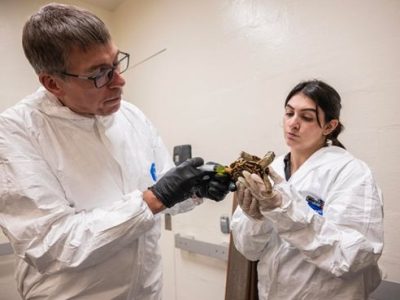
The toads are held behind biosecurity in a specialized containment room beneath the visitor center, which is to say that one of the more consequential things happening at this zoo is in a room no visitor will ever see. The species is an AZA SAFE species, a collaborative program run through the Association of Zoos and Aquariums.
“Much of our most important conservation work happens behind the scenes. Projects like the Wyoming toad recovery effort demonstrate how accredited zoos can work together to make a real difference for species on the brink of extinction.”
Erica Prosser, director, Como Park Zoo and Conservatory
Zookeeper Allison Pizel was set to travel to Laramie later in August to assist with field surveys, which is the other half of the job. Shipping tadpoles is straightforward. Finding out how many survived is what tells you whether it worked.
Why amphibians keep landing on zoos
There is a pattern in this kind of work, and it is not a coincidence. Amphibian recovery programs almost always sit with zoos rather than with conservation NGOs, because they require a building, biosecurity, daily husbandry and a decade of patience before anything countable happens.
Nobody buys a ticket to see a Wyoming toad. Como runs the program anyway, funded by the people who came for the tigers and the polar bears. That transaction is the argument for the modern zoo in a single line item.
The same structure shows up wherever the unfashionable work gets done, including the hellbender program in Missouri and snail reintroductions off Madeira.
Como hopes to relocate the Wyoming toad program to its Aquatics Building in the future.
Source: Como Park Zoo and Conservatory.