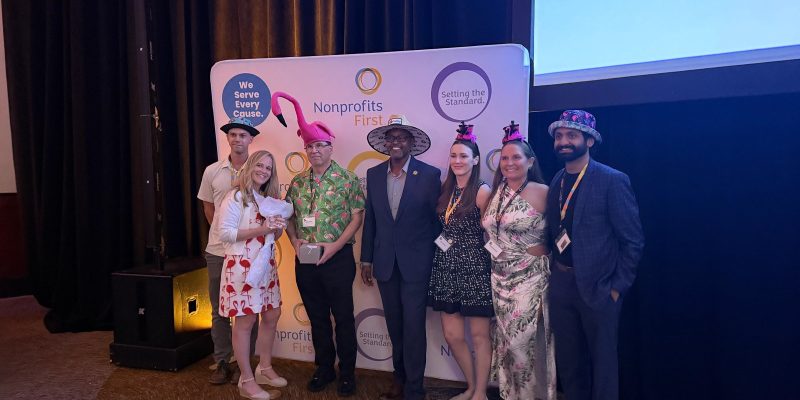
Palm Beach Zoo and Conservation Society has won the Nonprofit Environment and Animal Welfare Impact Award at the tenth annual Hats Off Awards run by Nonprofits First, the South Florida nonprofit standards organization. The zoo announced the win on October 19, 2026.
What makes the category worth noting is that it is two categories. Environment and animal welfare are usually judged separately, and a zoo can be excellent at one while being ordinary at the other. The award asks about both at once, which is a fair description of what the last two years at Dreher Park have actually consisted of.
What the award is measuring
On the 23-acre campus, Tiger Forest opened in February 2025, a new sloth and tamarin habitat followed over Labor Day weekend that year, and an expanded koala habitat was completed in April 2026, shortly before the zoo’s first koala joey arrived. The collection runs to more than 190 species, many of them arriving as rescues from injury or the exotic pet trade rather than as planned acquisitions.
Off campus the record is less visible and arguably more interesting. In August 2025 Palm Beach animal behaviorists and veterinary staff traveled to Zimbabwe to treat Thuza, a wild southern white rhino with a parasitic eye infection that was threatening his life. Thuza belongs to the Community Rhino Conservation Initiative near Hwange National Park, which is reintroducing southern white rhinos to communal lands for the first time, and losing him would have cost the program more than one animal. The Associated Press picked the story up nationally in February 2026.
In the same period five officials from Malaysia’s Department of Wildlife and National Parks spent time at the zoo working on their national tiger breeding and reintroduction program, with a stated goal of releasing facility-bred tigers within five to ten years. The zoo also supports work on Florida panthers, coral reefs, native birds and bats, and jaguars in Bolivia.
The numbers behind it
About 36,000 students reach the zoo each year through school programs and field trips, against more than 360,000 general visitors. The zoo says all net proceeds from its paid animal experiences go to its conservation projects, which is the mechanism behind the line it puts on its own signage: your visit saves wildlife.
Chief executive and president Margo McKnight credited staff, board, members, donors and volunteers, and the release makes a point of naming departments that have nothing to do with animal care. Accounting and development staff work on the reef, amphibian and swallow-tailed kite projects alongside keepers.
Next up is a new jaguar habitat, which the zoo says will open in early 2027 with more than 60 percent more space than the current one, a jaguar experience for guests, and an account of the work Palm Beach does with the Belize Zoo on wild jaguars. That is the one to watch.
Quick answers
- What award did Palm Beach Zoo win?
The Nonprofit Environment and Animal Welfare Impact Award at the tenth annual Hats Off Awards, run by Nonprofits First, the South Florida nonprofit standards organization. The zoo announced the win on October 19, 2026.
- What has the zoo built recently?
Tiger Forest opened in February 2025, a sloth and tamarin habitat followed over Labor Day weekend that year, and an expanded koala habitat was completed in April 2026, shortly before the zoo’s first koala joey arrived.
- What is the Thuza story?
In August 2025 Palm Beach animal behaviorists and veterinary staff traveled to Zimbabwe to treat Thuza, a wild southern white rhino with a parasitic eye infection. He belongs to the Community Rhino Conservation Initiative near Hwange National Park, which is reintroducing southern white rhinos to communal lands for the first time. The Associated Press carried the story nationally in February 2026.
- How many people visit Palm Beach Zoo?
More than 360,000 guests a year, including about 36,000 students who come through school programs and field trips.
- What is opening next?
A new jaguar habitat, which the zoo says will open in early 2027 with more than 60 percent more space than the current one, a jaguar experience for guests, and an account of the zoo’s work with the Belize Zoo on wild jaguars.