
Lincoln Park Zoo has won the World Association of Zoos and Aquariums Animal Welfare Award, and is the first institution in the United States to receive it.
Some scale on that: WAZA introduced the award in 2025, so the list of previous winners is short. What the award recognizes is not a single project but whether an institution’s approach to welfare is comprehensive, which makes the interesting question what the judges were looking at.
Welfare for the animals nobody puts on a poster
The clearest signal in Lincoln Park Zoo’s case is how far down the list its welfare work goes.
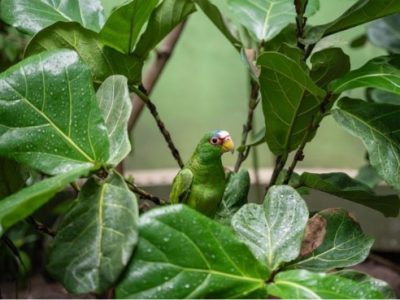
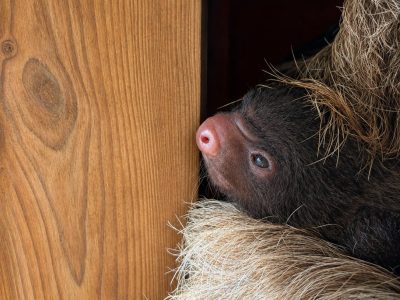
Rhinos and bears get attention by default. The zoo’s welfare staff also work on conditions for birds and reptiles, research the care of animals living with disabilities, and consider the welfare of feeder insects, which is to say the crickets and mealworms that exist in a zoo in order to be eaten.
That last one sounds like a punchline and it is actually the test. An institution that has thought about invertebrate husbandry at the bottom of the food chain is an institution whose welfare policy is a policy rather than a public-facing selection of its most photogenic residents.
The framework the zoo works from, set out in its 2026 annual report, has five parts: animal management, nutrition, veterinary services, environmental enrichment, and positive reinforcement training.
ZooMonitor, and why giving it away mattered
The piece of this with the longest reach is a piece of software.
ZooMonitor is an app Lincoln Park Zoo built for recording, visualizing and exporting animal behavioral data. This year is the tenth anniversary of its public launch. More than 1,600 institutions worldwide now use it, it has been cited in more than 100 peer-reviewed studies, and it is free to qualifying institutions. Its development was funded in part by a grant from the Institute of Museum and Library Services.
The decision not to charge for it is the reason it is in the award citation. Welfare assessment depends on behavioral data, behavioral data depends on consistent observation protocols, and a small aquarium with four keepers was never going to commission its own observation software. Handing out a common tool means a hornbill’s activity budget in Illinois and one in Ohio were recorded the same way and can be compared, which is what makes 100 papers possible.
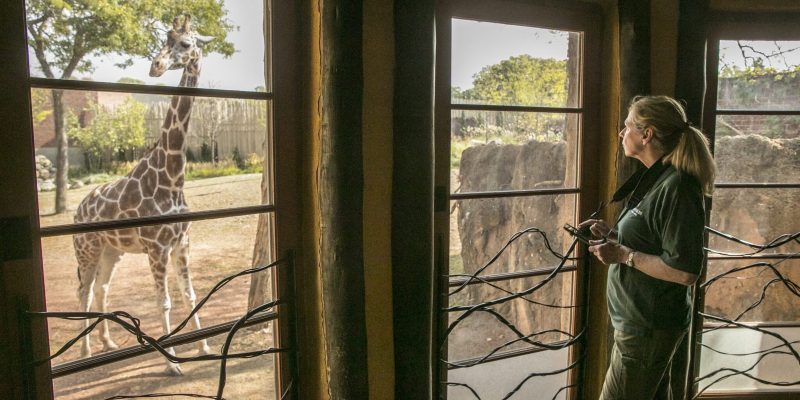
At home it tells the zoo whether a given enrichment strategy is actually working, and tracks reproductive and social behavior across species including giraffes and Asian small-clawed otters.
Asking the animal
The zoo’s Animal Welfare Science Program extends past behavior counts into life event monitoring, environmental monitoring and evaluations of individual personality and temperament. One strand looks at the effect of sound on animals in a city, which is a real variable for a zoo sitting inside Chicago rather than outside it. The same urban focus runs through the zoo’s Urban Wildlife Information Network survey of coyotes and raccoons, which studies the animals living in the city rather than the ones living in the zoo.
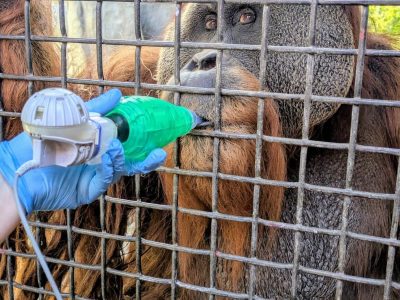
The most direct version of the idea appears in the primate work, where animals volunteer for touch-screen tasks so researchers can learn what they prefer. In 2021 a Japanese macaque at the zoo used a touchscreen to pick her own infant’s name.
The same logic produced a policy change with consequences beyond Chicago. In 2019 the zoo adopted an ambassador animal policy built around two questions: does the animal have choice and control during a program, and does the animal benefit from it. Programs that failed those questions were discontinued rather than adjusted, and every surviving interactive program was reassessed. Other accredited institutions have since taken up similar rules.
Counting the chimpanzees nobody was counting
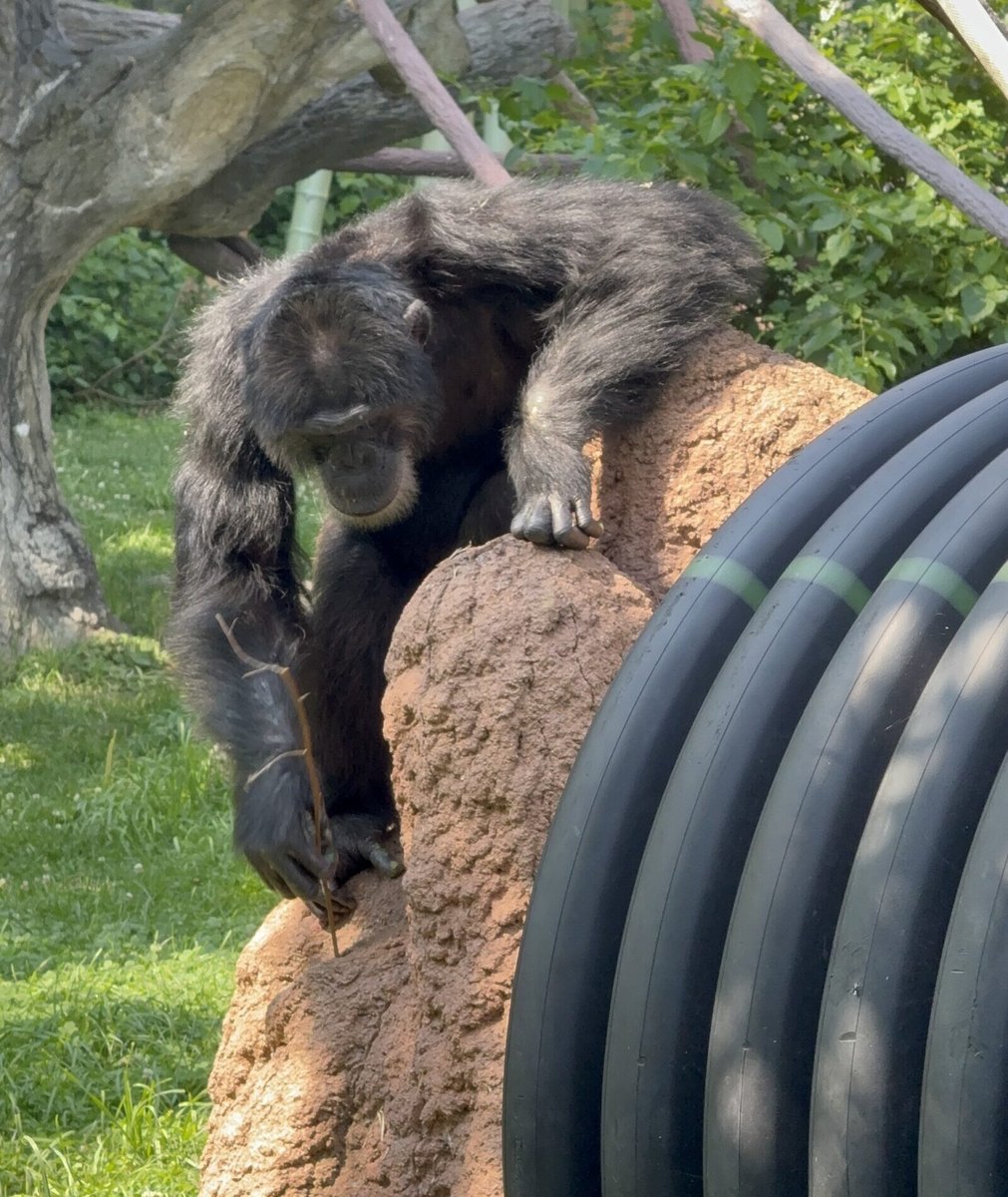
Project ChimpCARE, run by scientists at the zoo’s Lester E. Fisher Center for the Study and Conservation of Apes, began with a census of every chimpanzee in the United States. There are more than 1,000, and before the census there was no reliable accounting of where they were or who held them.
The project researches how private ownership affects the animals, has helped rehome dozens of chimpanzees into accredited zoos and sanctuaries including Chimp Haven, and publishes a free tool to help organizations bring their chimpanzee care in line with current science. Lincoln Park Zoo also keeps a troop of chimpanzees with non-traditional backgrounds, housed away from public view specifically so their care and social integration come first.
The advocacy follows from the census. The zoo’s work contributed to a 2026 expansion of the Illinois Traveling Animal Act, which stopped a range of species being hauled across the state for performances, and it is pushing for the federal Captive Primate Safety Act. It is also a partner in the Chicago Collisions Coalition, which works on the bird-strike problem a city of glass towers creates.
What it is fair to conclude
A welfare award is a judgment about process, not a certificate that every animal is content. It is worth being precise about that, because welfare claims are the easiest thing in this industry to assert and the hardest to check.
What is checkable here is specific: a free tool in 1,600 institutions, 100 papers, a census that produced a number nobody had, and a set of programs canceled because the animals in them did not have a choice. That is the shape of an institution that collects evidence and then acts against its own convenience when the evidence says to.
None of that is visible from the path. A visitor walking through Lincoln Park Zoo sees animals in habitats, the same as anywhere. The award is for the decade of recorded observation underneath, and for giving the instrument away.
Quick answers
- What award did Lincoln Park Zoo win?
The World Association of Zoos and Aquariums Animal Welfare Award. It is the first institution in the United States to receive it.
- How new is the WAZA Animal Welfare Award?
WAZA introduced it in 2025, so the list of previous winners is short. It recognizes a comprehensive institutional approach to welfare rather than a single project.
- What is ZooMonitor?
An app built by Lincoln Park Zoo for recording, visualizing and exporting animal behavioral data. More than 1,600 institutions worldwide use it, it is free to qualifying institutions, and it has been cited in more than 100 peer-reviewed studies.
- What are the five pillars of care?
Animal management, nutrition, veterinary services, environmental enrichment, and positive reinforcement training, as set out in the zoo's 2026 annual report.
- Does the welfare work cover animals other than mammals?
Yes. Staff work on conditions for birds and reptiles, research the care of animals living with disabilities, and consider the welfare of feeder insects.
- What is the ambassador animal policy?
A policy adopted in 2019 asking whether an animal has choice and control during a program and whether it benefits from it. Programs that did not meet the standard were discontinued and the rest were reassessed.
- What is Project ChimpCARE?
An initiative from the zoo's Lester E. Fisher Center for the Study and Conservation of Apes that began with a census of every chimpanzee in the United States, more than 1,000 animals, and has helped rehome dozens into accredited zoos and sanctuaries.
- What legislation has the zoo worked on?
Its work contributed to a 2026 expansion of the Illinois Traveling Animal Act, and it is pushing for the federal Captive Primate Safety Act. It is also a partner in the Chicago Collisions Coalition.